
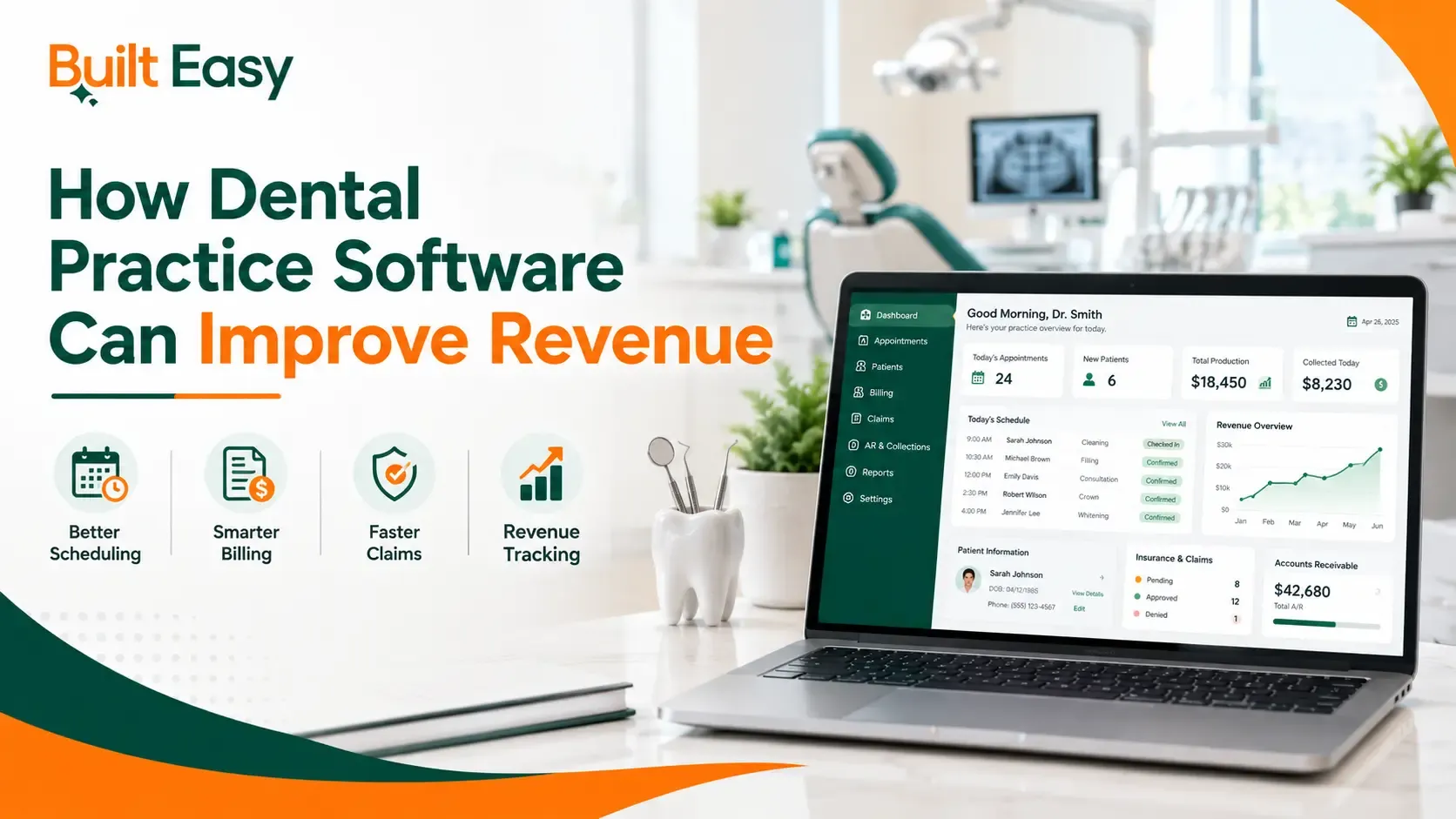
A dental practice can have a busy schedule and still lose revenue because of billing issues, delayed insurance claims, missed appointments, or unpaid patient balances. Getting more patients is only one part of improving practice revenue. What happens after the appointment matters just as much.
This is where dental practice management software can help. The right system can bring scheduling, patient information, billing, claims, payments, and reporting into one organized workflow.
For dental practices in USA, this can make daily operations easier to manage and give owners better visibility into where revenue may be getting delayed. However, software is a tool, not a replacement for good processes, trained staff, or professional dental practice management services.
How Dental Practice Software Supports Revenue Growth
Dental practice management software can connect several parts of the practice’s daily workflow. When information is organized and easy to access, staff can spend less time searching for records and more time managing important tasks.
Here are some of the key ways software can support revenue management.
1. Better Appointment Scheduling and Chair-Time Management
An empty appointment slot can affect practice productivity. Dental software helps teams manage the schedule, identify open slots, and keep appointment information organized.
It can also support:
- Appointment reminders
- Cancellation tracking
- Rescheduling
- Waitlists
- Patient appointment history
- Open-slot management
For example, if a patient cancels an appointment, staff can quickly check the schedule and contact another patient who may be waiting for an earlier opening.
Software cannot prevent every cancellation or no-show. But a well-managed scheduling system can help the team respond faster and make better use of available chair time.
The revenue connection: Better scheduling helps practices manage available clinical time more efficiently.
2. More Organized Billing Workflows
Billing becomes difficult when patient information, procedures, insurance details, and charges are handled across different records or entered manually multiple times. Dental software can keep these details connected. Staff can record procedures, enter charges, review patient information, and track outstanding balances from the practice management system. This can support dental billing services by making billing information easier to access and review. However, software does not automatically make billing error-free. Staff still need to:- Enter information accurately
- Review charges
- Confirm insurance details
- Check claims before submission
- Follow up on unpaid balances
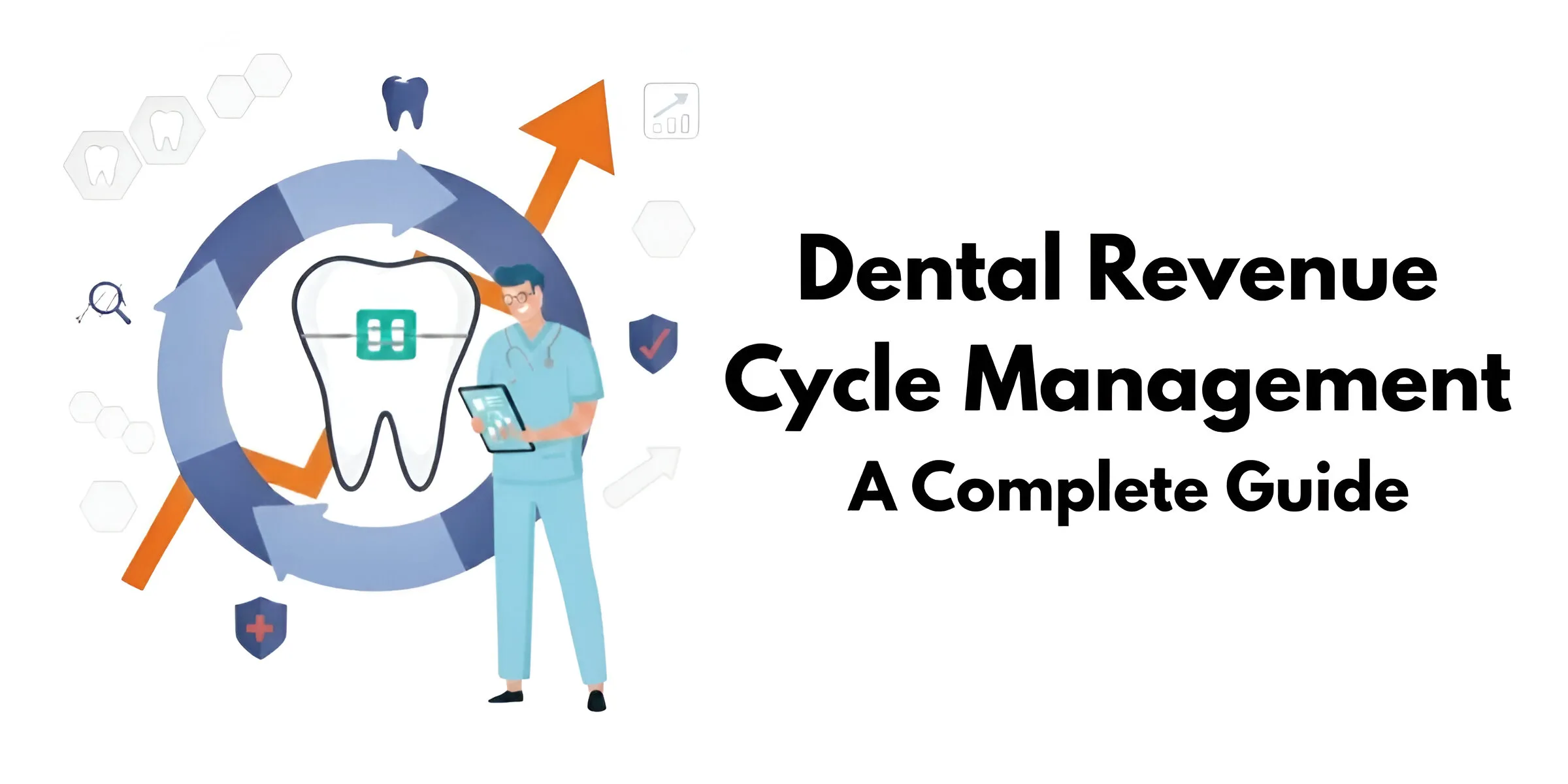
3. Stronger Dental Revenue Cycle Management
Dental revenue cycle management covers the financial journey of a patient account from registration and treatment through insurance payment and final collection. Dental software can help connect each stage of this process. A typical workflow may include: Patient Registration → Insurance Information → Treatment & Charges → Claim Submission → Payment Posting → Accounts Receivable → Collections When these steps are properly connected, staff have a clearer view of what has already happened and what still needs attention. This is especially important for revenue cycle management for dental practices, where even small delays can create larger administrative workloads over time. Some practices also use Dental Revenue Cycle Management Services to support areas such as- Insurance claim follow-up
- Payment posting
- Accounts receivable
- Billing workflows
- Patient balance management
4. Easier Insurance Claim Tracking
Insurance claims can require significant follow-up after they are submitted. A claim may be pending, delayed, rejected, or denied, and staff need to know what action is required. Dental software can help teams organize and monitor claim information. Teams may use the system to:- Check claim status
- Identify outstanding claims
- Review payment information
- Find claims requiring follow-up
- Track rejected or denied claims
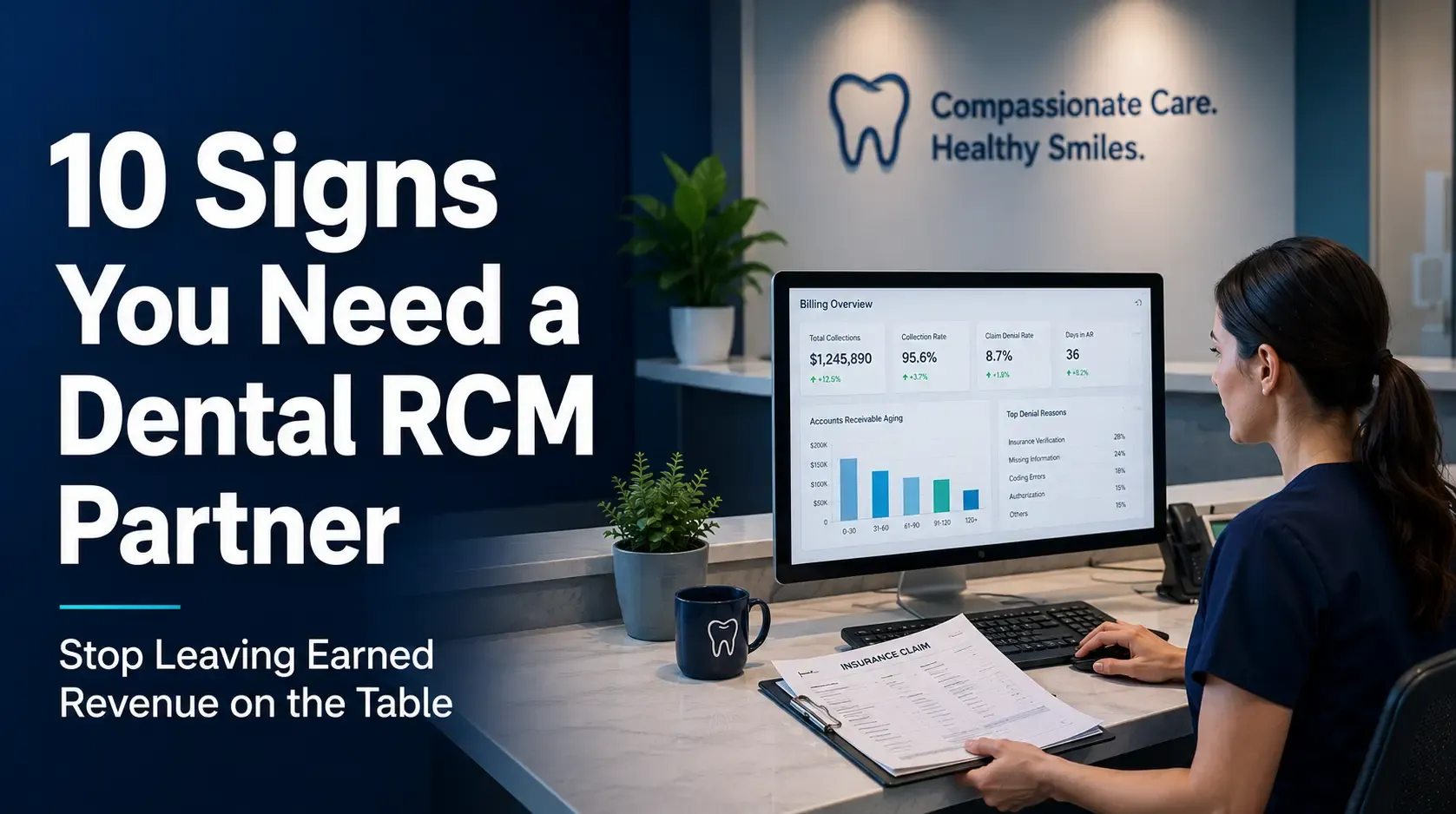
5. Better Visibility Into Practice Revenue
One of the biggest benefits of dental software is not just storing information it is making that information easier to review. Depending on the system, practice owners and managers may be able to monitor:- Production
- Collections
- Accounts receivable
- Outstanding insurance claims
- Patient balances
- Scheduling performance
Why Software Alone Is Not Enough
Buying or using dental software does not automatically improve a practice’s revenue. The results depend heavily on how the system is configured and how consistently the team uses it. A practice may have excellent software but still experience revenue problems because of:- Inconsistent workflows
- Incorrect data entry
- Limited staff training
- Delayed claim follow-up
- Poor billing processes
- Unmanaged patient balances
- Lack of accounts receivable monitoring
How Built Easy Solutions Helps Dental Practices Use Technology More Effectively
Built Easy Solutions is a dental consulting and practice services company, not a dental software vendor. The focus is on helping dental practices use their existing systems, workflows, and resources more effectively. Support can include:- Dental practice management
- Revenue cycle management
- Billing and claims workflows
- Practice operations
- Staff and process improvement
- Revenue-focused workflow optimization
Conclusion
Dental practice management software can help organize many of the processes that influence practice revenue—from appointment scheduling and billing to insurance claims, payments, and reporting.
But technology works best when it is supported by trained staff and consistent workflows. For practices that want to improve how their existing systems support operations and revenue management, Dental Practice Management Services can provide the process-focused support that software alone cannot.
Built Easy Solutions helps dental practices in the USA improve practice management, billing, RCM, claims workflows, and revenue-related processes without acting as a software vendor.
FAQs
How does dental practice software improve revenue?
Dental practice software can support revenue by organizing scheduling, billing, claims, payments, accounts receivable, and reporting. It does not guarantee higher revenue, but it can help teams identify delayed claims, outstanding balances, scheduling gaps, and workflow issues that may affect revenue.
Can dental software help reduce billing errors?
Yes, dental software can help reduce some billing errors by keeping patient, treatment, insurance, and charge information organized. However, accurate data entry and staff review are still necessary. Software supports the billing process but does not completely eliminate human mistakes.
How does dental software support revenue cycle management?
Dental software supports revenue cycle management by connecting patient registration, insurance information, treatment charges, claim submission, payment posting, accounts receivable, and collections. This gives dental teams a clearer view of where an account is within the revenue cycle.
Can dental software help with denied claims?
Yes, dental software can help teams identify, track, and organize denied or rejected claims. However, staff still need to review the reason for each denial and determine the appropriate action. Practices with more complex denial workloads may also use Claim Denial Management Services.